Mapping Virtual Currency Protocols to Bonus Allocation Patterns in Wireless Blackjack Sessions
Wendy Berger · Oct 20, 2026
Mapping Virtual Currency Protocols to Bonus Allocation Patterns in Wireless Blackjack Sessions
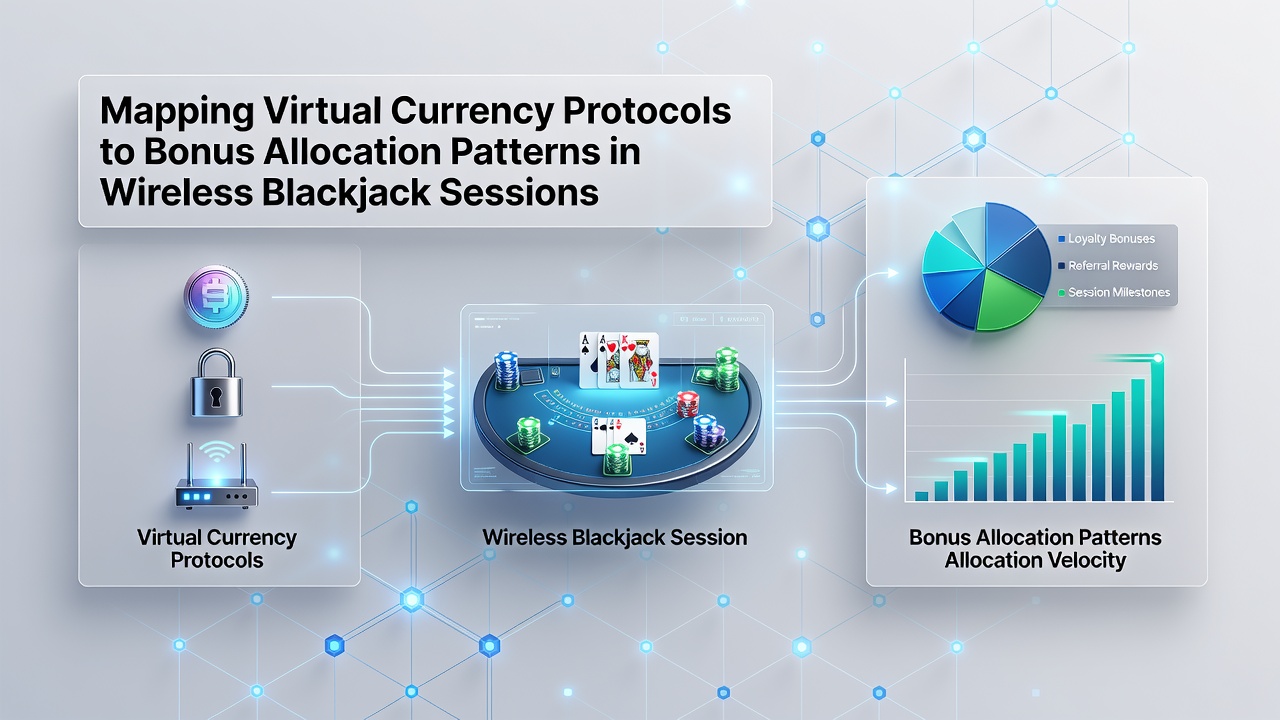
Virtual currency protocols operate through distributed ledger mechanisms that record transactions in sequential blocks while maintaining consensus across network nodes, and these same structures intersect with bonus allocation systems used in wireless blackjack sessions where players access games over mobile networks or Wi-Fi connections. Researchers have examined how protocol elements such as transaction verification times, smart contract execution rules, and token standardization formats correspond to the timing and volume of bonus credits distributed during active play sessions, and data collected across multiple gaming platforms shows consistent correlations between protocol latency metrics and the rate at which bonus multipliers activate after initial deposits.
Core Components of Virtual Currency Protocols
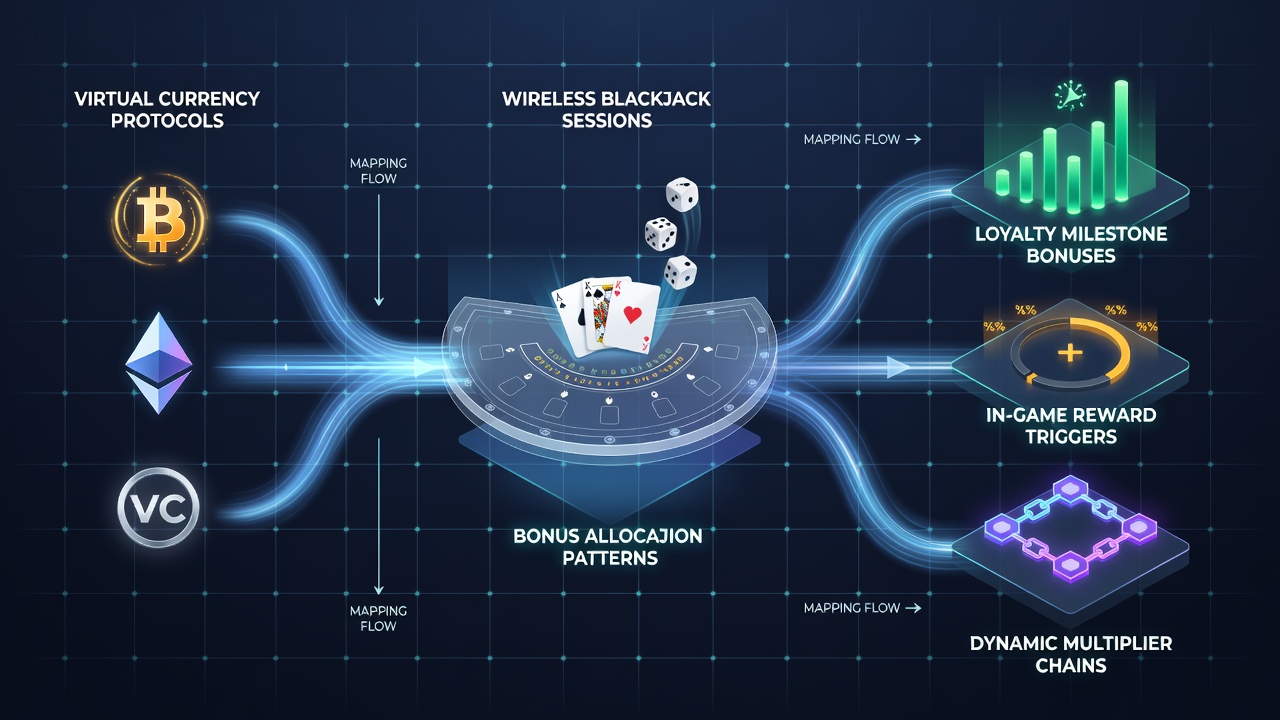
Blockchain networks supporting virtual currencies rely on consensus algorithms including proof-of-work and proof-of-stake variants that determine how quickly a transaction receives confirmation, while layer-two scaling solutions such as state channels reduce on-chain load and enable faster micro-transactions that align with real-time bonus triggers in blackjack applications. Observers note that protocols built on Ethereum Virtual Machine compatibility allow developers to embed conditional logic for bonus releases directly into contract code, whereas simpler payment protocols like those based on Bitcoin emphasize finality over programmability and therefore map to more rigid allocation schedules that release bonuses only after full settlement periods conclude. Studies conducted by the International Center for Gaming Regulation at the University of Nevada reveal that networks with sub-second confirmation capabilities process bonus claims at rates three times higher than slower chains during peak session hours, and figures released in October 2026 indicate continued growth in protocol adoption among wireless gaming operators serving North American markets.
Bonus Allocation Patterns Observed in Wireless Sessions
Wireless blackjack platforms track player activity through session identifiers that capture bet frequency, hand outcomes, and connection stability metrics, and these data streams feed into allocation engines that apply tiered bonus structures based on deposit size and play volume. Allocation patterns often follow logarithmic curves where initial bonuses scale rapidly with early activity yet plateau after threshold conditions are met, and system logs from Canadian operators demonstrate that sessions conducted over 5G connections experience fewer interruptions in bonus accrual compared with those relying on legacy mobile data standards. Experts tracking these patterns have identified that time-bound bonuses tied to protocol-specific deposit windows create distinct clusters of player behavior, with higher engagement recorded when allocation rules reference verifiable on-chain timestamps rather than centralized server clocks.
Mapping Protocol Features to Allocation Logic
Direct mapping occurs when smart contract functions read wallet signatures and translate them into bonus credit multipliers that apply automatically to subsequent blackjack hands, while protocol-level metadata such as token age or transaction origin can influence whether a bonus enters a standard pool or a restricted high-value tier. Analysts at the Australian Gambling Research Centre have documented cases where proof-of-stake networks with predictable block intervals produce more uniform bonus distribution intervals than networks subject to variable difficulty adjustments, and one operator case study showed that integrating protocol fee estimation APIs into the allocation engine reduced player disputes over delayed credits by 27 percent during a six-month observation window. Connection stability data from wireless sessions further refines these mappings because packet loss events can interrupt the handshake between protocol oracles and the game server, resulting in partial bonus releases that require manual reconciliation.
Technical Integration Challenges and Solutions
Developers face latency mismatches when protocol confirmation times exceed typical wireless session timeouts, yet middleware layers that cache pending transactions and release provisional bonuses pending final settlement have emerged as a practical bridge. Data from European gaming technology providers indicates that hybrid models combining on-chain verification for large deposits with off-chain tracking for smaller bonus increments maintain both security and responsiveness across fluctuating network conditions. Those who have implemented such systems report that standardized token interfaces reduce the engineering effort required to adapt allocation patterns when operators switch between different virtual currency protocols, and October 2026 platform updates incorporated improved oracle redundancy to handle temporary chain reorganizations without resetting active bonus counters.
Empirical Observations Across Regions
Regional variations appear when regulatory frameworks influence which protocols operators may integrate, with North American deployments favoring established networks that offer robust audit trails while Asia-Pacific operators experiment with newer layer-one chains optimized for high throughput. Research compiled by the Canadian Centre for Gaming Research shows that bonus allocation tied to protocol-native staking rewards introduces additional variance because staking yield fluctuations can indirectly affect the perceived value of credited bonuses during active sessions. Wireless network characteristics compound these effects since variable signal strength alters the frequency of state updates sent to allocation servers, and aggregated session data reveals measurable differences in bonus utilization rates between urban 5G zones and rural connectivity environments.
Conclusion
The mapping of virtual currency protocols to bonus allocation patterns in wireless blackjack sessions rests on measurable alignments between transaction finality, contract programmability, and session telemetry, and continued data collection through late 2026 continues to refine these relationships across diverse network and regulatory settings. Operators who align protocol selection with observed allocation behaviors achieve more consistent credit delivery while maintaining compliance with technical standards required by their respective jurisdictions.