Connections Between Electronic Wallet Usage and Game Selection Trends Among Cryptocurrency Casino Participants
Alex Simon · Nov 17, 2026
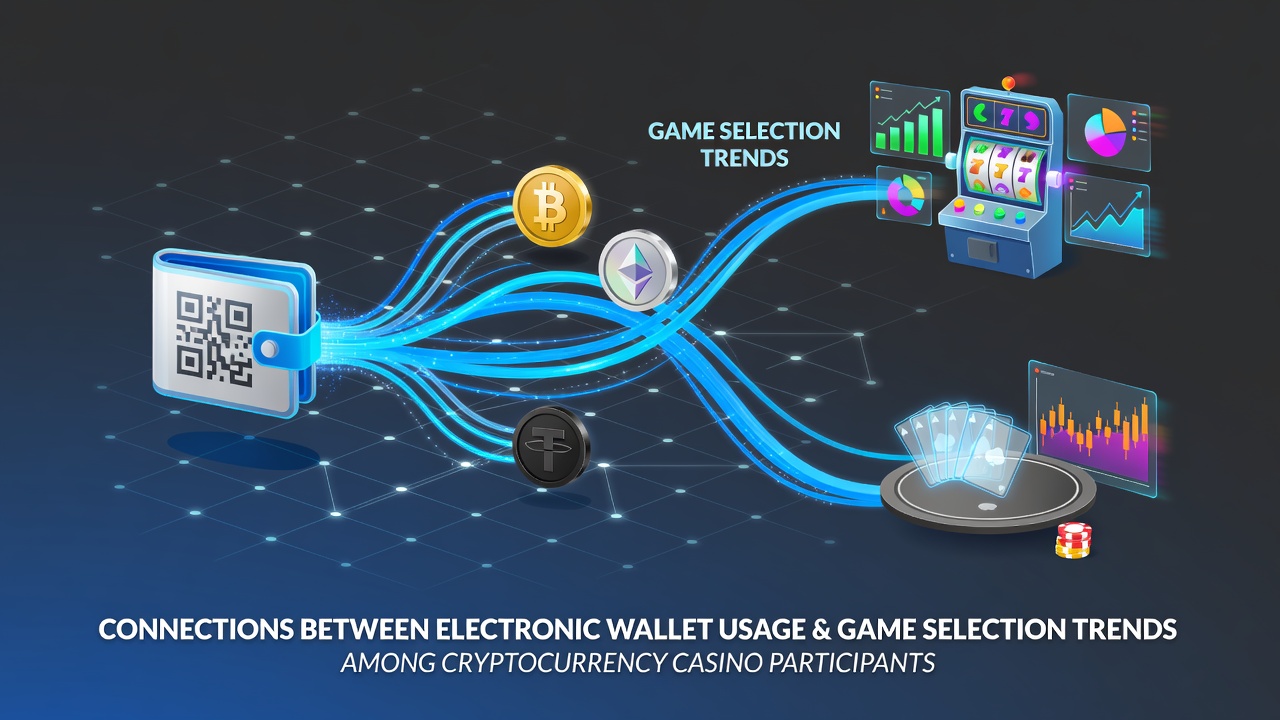
Connections Between Electronic Wallet Usage and Game Selection Trends Among Cryptocurrency Casino Participants
Electronic Wallets and Their Role in Cryptocurrency Casinos
Electronic wallets serve as primary tools for depositing and withdrawing digital assets in cryptocurrency casinos, and researchers tracking these platforms have documented distinct usage patterns across different wallet types since the early 2020s. Bitcoin wallets remain the most common choice for initial transfers, yet data indicates that users often switch to Ethereum or stablecoin options when engaging with higher-frequency games. Studies compiled by academic institutions reveal that wallet selection correlates with transaction speed requirements, with faster confirmation times aligning more frequently with real-time game formats.
Observers note that privacy-focused wallets incorporating mixing features appear more often among participants who favor extended sessions in progressive jackpot categories. Meanwhile, multi-currency wallets that support multiple blockchain networks show stronger associations with diversified game libraries, allowing seamless shifts between asset types without additional conversion steps. Reports from November 2026 highlight a measurable uptick in stablecoin wallet activity, coinciding with broader market stabilization that reduced volatility concerns for casino participants.
Patterns in Game Selection Among Digital Asset Users
Game selection trends in cryptocurrency casinos reflect participant preferences shaped by wallet characteristics such as fee structures and settlement times. Slots with medium volatility levels attract higher volumes of activity from users relying on low-fee wallets, according to aggregated transaction logs analyzed in multiple industry reports. Table games including blackjack and roulette demonstrate different distributions, with participants employing hardware wallets showing steadier engagement over longer periods.
Live dealer formats have drawn increased attention from those using wallets optimized for cross-border transfers, as these setups often involve real-time betting that benefits from rapid confirmations. Data collected across platforms indicates that cryptocurrency users select video poker variants at rates influenced by the wallet's support for instant withdrawals, which enables quicker bankroll management during play. Figures from research institutions outside the UK demonstrate that wallet type influences not only initial game choice but also session duration and frequency of switches between categories.
Documented Connections and Supporting Evidence
Analyses of participant behavior reveal measurable links between specific electronic wallet features and game category preferences. For instance, wallets with built-in analytics tools correlate with higher selection rates for strategy-based games where participants track historical outcomes. Australian Institute of Criminology publications have outlined how transaction metadata from various wallets aligns with patterns in slot machine engagement versus card game participation across sampled populations.
Additional examinations show that users of custodial wallets tend toward games with frequent small payouts, while non-custodial options appear more commonly with high-stakes table game sessions. Research indicates these connections stem from practical factors including gas fees on blockchain networks and the ease of splitting funds across multiple games. In November 2026, updated datasets from North American regulatory filings confirmed similar alignments, with wallet adoption rates shifting in tandem with changes in popular game volatility settings.
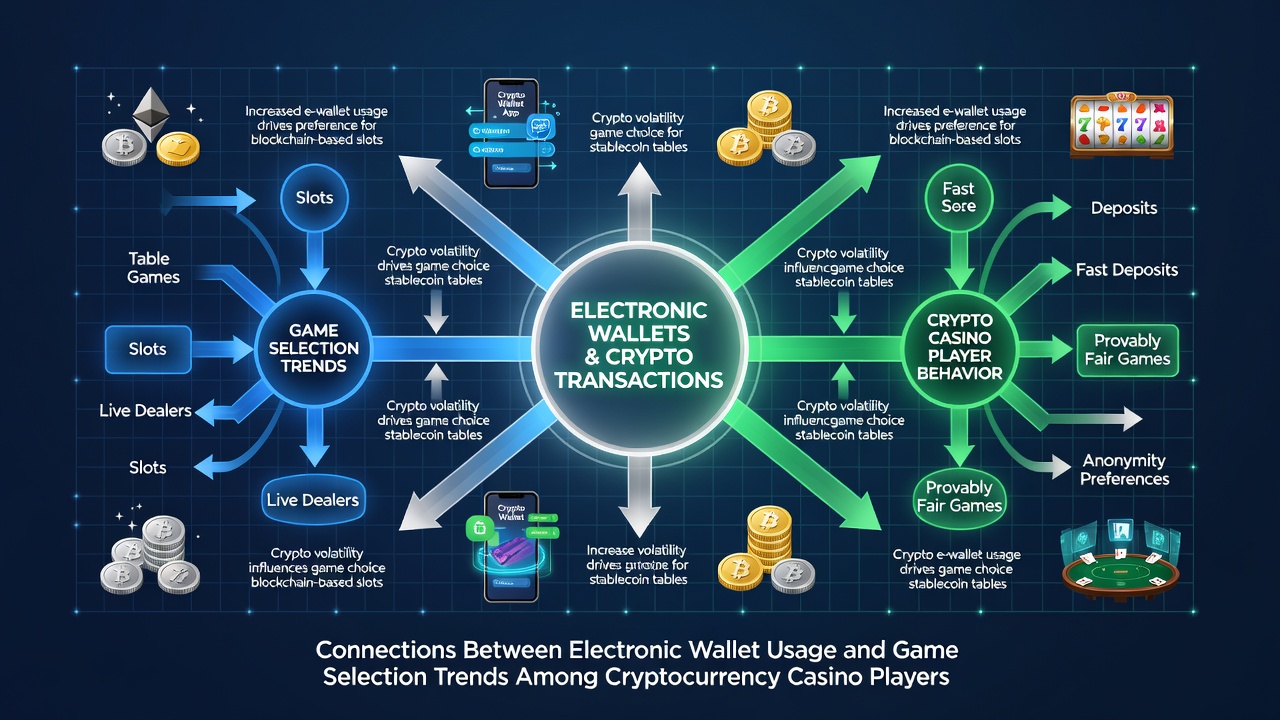
Factors Driving These Trends
Several operational elements contribute to the observed relationships between wallet usage and game choices. Network congestion levels affect withdrawal speeds differently across wallets, which in turn influences whether participants opt for quick-session slots or extended table game rounds. Security protocols embedded in certain wallets also play a role, with multi-signature requirements appearing more frequently among users who select games requiring larger initial stakes.
Geographic variations add another layer, as participants in regions with established digital asset regulations demonstrate wallet preferences that match local game availability restrictions. Academic reviews published in peer-reviewed journals have examined these dynamics through transaction sampling, finding consistent associations between wallet liquidity features and the selection of games with progressive elements. November 2026 monitoring efforts across multiple platforms noted continued evolution in these patterns as new wallet integrations became available.
Conclusion
Available evidence establishes clear connections between electronic wallet characteristics and game selection behaviors among cryptocurrency casino participants. Transaction data, regulatory filings, and academic analyses collectively demonstrate how wallet speed, fee structures, and supported assets shape preferences across slots, table games, and live formats. Continued observation through late 2026 shows these relationships adapting alongside technological updates in both wallet services and casino platforms. National Bureau of Economic Research working papers provide further context on the economic factors underlying these participant trends, underscoring the objective linkages observed across datasets.